Earlier this week, I found myself logging into a Figma webinar—the kind of event that would make any marketing team’s heart skip a beat just looking at the registration numbers. I logged into a Zoom webinar console expecting the usual: a little music, maybe a holding slide, a friendly “hello” in the chat to let you know you’re in the right place.
Instead, I landed in darkness. A black screen. One lonely line of text: “The host will be right back.”
It was like walking into a restaurant before opening. Lights off, no host at the door, no music, no aroma of coffee or fresh bread. You wonder: Am I early? Am I late? Did I get the wrong address? At first, I shrugged it off. Tech happens. Maybe someone’s rebooting, maybe a cable’s loose, maybe the producer is frantically waving at the AV rack. But as minute one became minute two, then three, then five, the silence grew heavy. Still no cues, no music, no movement, no one to greet you.
And then, as it always does, in-between everyone proclaiming where they’re tuning in from, the chat started to flicker with that quiet, collective anxiety:
“Is this happening?”
“Did I miss something?”
“Should I refresh?”
When hundreds, or thousands, of people are all quietly asking themselves the same thing, you can feel the trust start to slip. Not because of the delay. Delays are normal. It’s the absence of hospitality—no one welcoming, no one guiding, no one reassuring the room while the team sorts things out behind the scenes.
That’s when I remembered why, on our team, we always treated the first seven minutes like sacred ground.
They’re not filler. They’re the doorway. People decide how to feel about your event long before you ever get to slide two.
Hospitality Starts Before the Content
Hospitality in digital events isn’t about fancy graphics or elaborate intros. It’s about the simple, human act of orienting people quickly and warmly, so they don’t have to guess what’s happening.
When an event opens with silence or mystery, the audience fills the gap—and usually, they fill it with confusion. But when the opening feels intentional, even if it’s modest, people settle in. They trust you. They pay attention.
That’s why we always had a structure for those first moments—a gentle sequence that welcomes, grounds, and ushers the audience into the experience before any “content” even begins. It wasn’t about being slick. It was about being considerate.
And it looked something like this:
A Six-Minute Flow That Holds the Room
You don’t need a big crew or a broadcast studio. Just a little roadmap that makes people feel taken care of from the moment they arrive.
00:00–00:20 | Friendly Welcome from the On-Camera Host
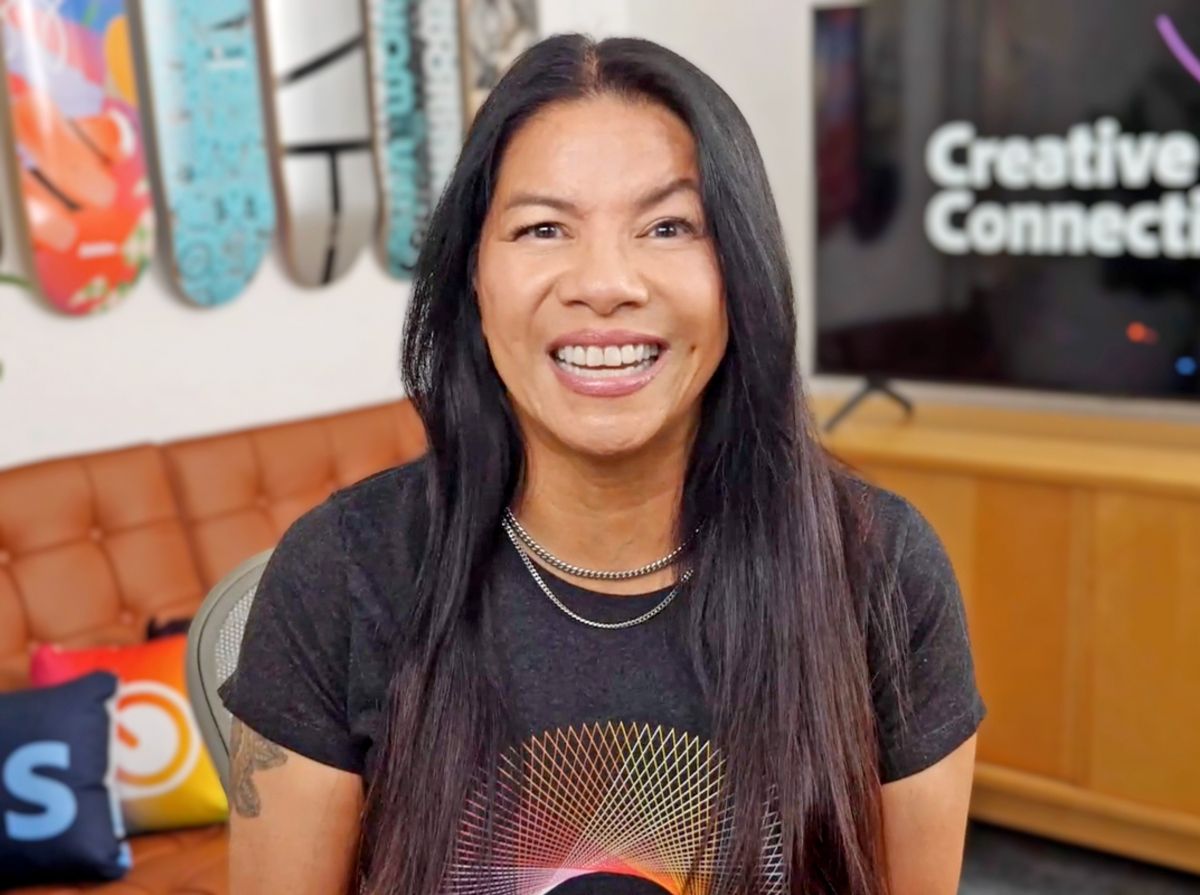
A simple “hello,” a wave, a “you’re in the right place.” The digital equivalent of a host making eye contact and opening the door.
00:20–00:40 | Why This Topic Matters Today
People relax when they know why they’re here. It reassures them they made a good choice by showing up.
00:40–01:00 | Clear Outcome
One sentence about what they’ll walk away with. Not a pitch, a promise.
01:00–02:00 | Chat Prompt
A gentle nudge to say hi, share where they’re joining from, or answer a fun icebreaker. Even a small interaction builds connection.
02:00–03:00 | Speaker Intros (Short & Relevant)
No hero bios. Just enough context for the audience to trust their guides for the next hour.
03:00–04:00 | Agenda
A map. People love a map. It reduces cognitive load and keeps them engaged.
04:00–06:00 | Set the Room, See the People, Guide Them Forward
Use this window to slow the pace, acknowledge real attendees by name, and call out a few chat comments (or have your producers feed them to you) so people feel seen while latency catches up. Once the room settles, gently pivot: introduce the first speaker, give context for what’s coming next, and lay the bridge into the next segment so the audience feels guided, not dropped in cold.
This isn’t just about organizing the start of an event. It’s about calming the room, creating momentum, and buying everyone backstage a little breathing room if things aren’t going perfectly (which, let’s face it, is most days).
Where Hospitality Becomes the Safety Net
During that Figma webinar, the absence of a human presence made the delay feel so much bigger than it was. A single voice, even in the chat, could have rewritten the whole experience:
“We’re just resetting audio backstage. Thanks for your patience! We’ll begin shortly.”
That’s hospitality at work. It steadies people. It tells them they haven’t been forgotten. It gives them something to hold onto.
We used to call this the engagement manager’s quiet superpower. They weren’t just “managing the chat.” They were welcoming guests, guiding the room through uncertainty, and delighting them with reassurance. A steady host energy, even if it wasn’t the official host.
And one small detail that makes a huge difference: everyone supporting the event (engagement manager, moderators, helpers) should be clearly labeled in the chat. A simple “Rachel @ Adobe”–style tag signals authority and reassures attendees they’re hearing from someone who’s part of the hosting team.
It’s amazing how forgiving people become when someone, anyone, stays with them.
The Real Lesson from a Silent Six-Minute Wait
This isn’t about Figma making a mistake. Every company—even the biggest, even the most polished—has rough moments on air. I mean, that’s the nature of “live,” so expect that something will go sideways. But it highlights something universal:
Digital events don’t fall apart because something goes wrong. They fall apart because no one narrates what’s happening when it does.
Hospitality is the difference. The room doesn’t need perfection; it needs presence.
A warm welcome. A little structure. A sense that someone is paying attention.
Get the first six minutes right, and the entire event feels intentional. Get them wrong, and even great content has to work uphill.
You don’t need a bigger budget or a studio to nail this part. Just presence, clarity, and a little hospitality. Open the room with intention, and people will meet you there. They listen better, forgive easier, and settle in faster.
The first six minutes aren’t extra work. They’re your advantage. Because in the end, it’s how you make people feel the moment they walk in the door.